

Teaching Collection
Collection is the ability to go forwards and backwards at the same time. It’s a balance between the two. Before you attempt this, you must…
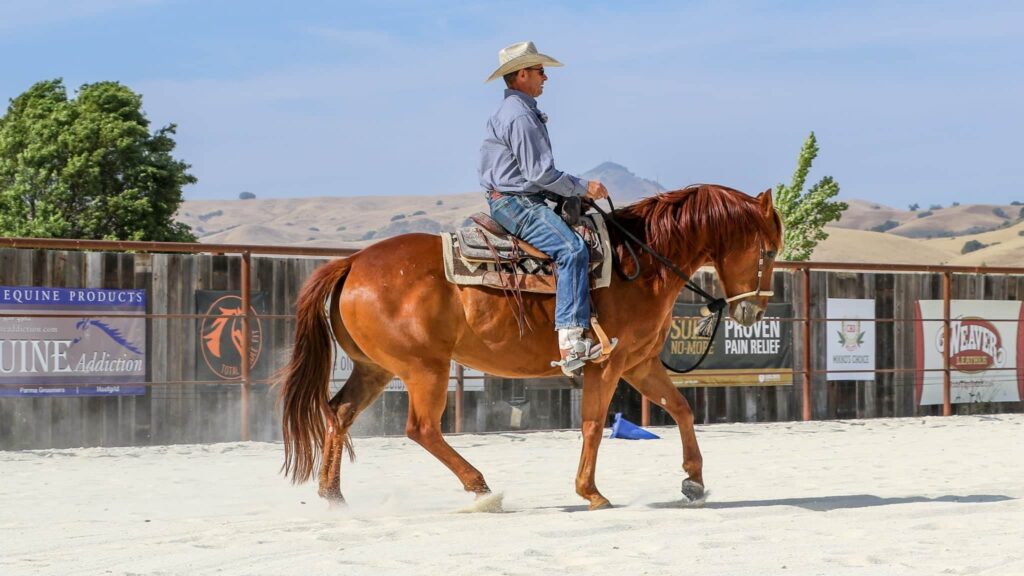
Collection is the ability to go forwards and backwards at the same time. It’s a balance between the two. Before you attempt this, you must…
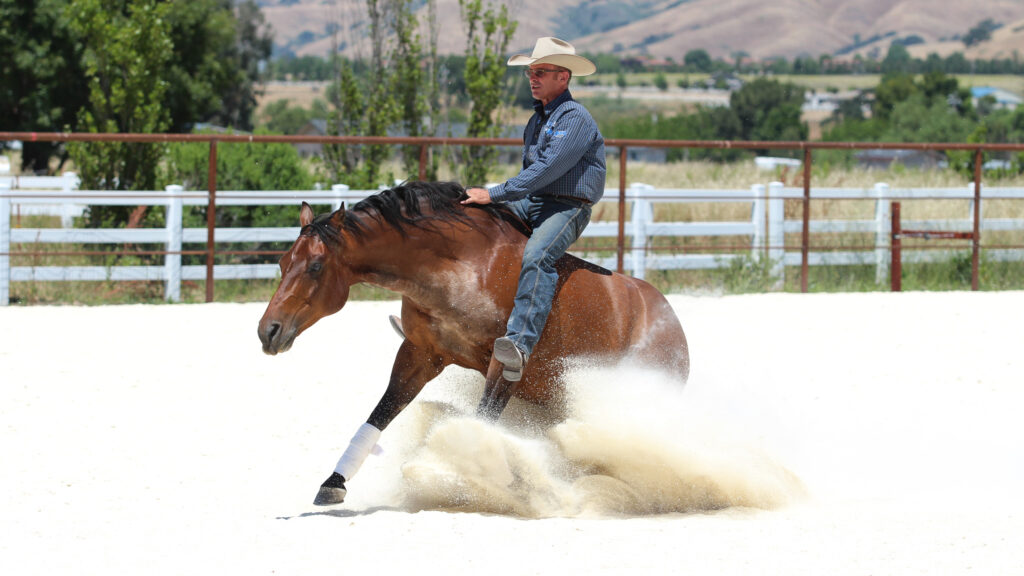
In this lesson, you’ll learn a step-by-step approach to teaching a young horse to stop in a way that builds softness, balance, and responsiveness from…
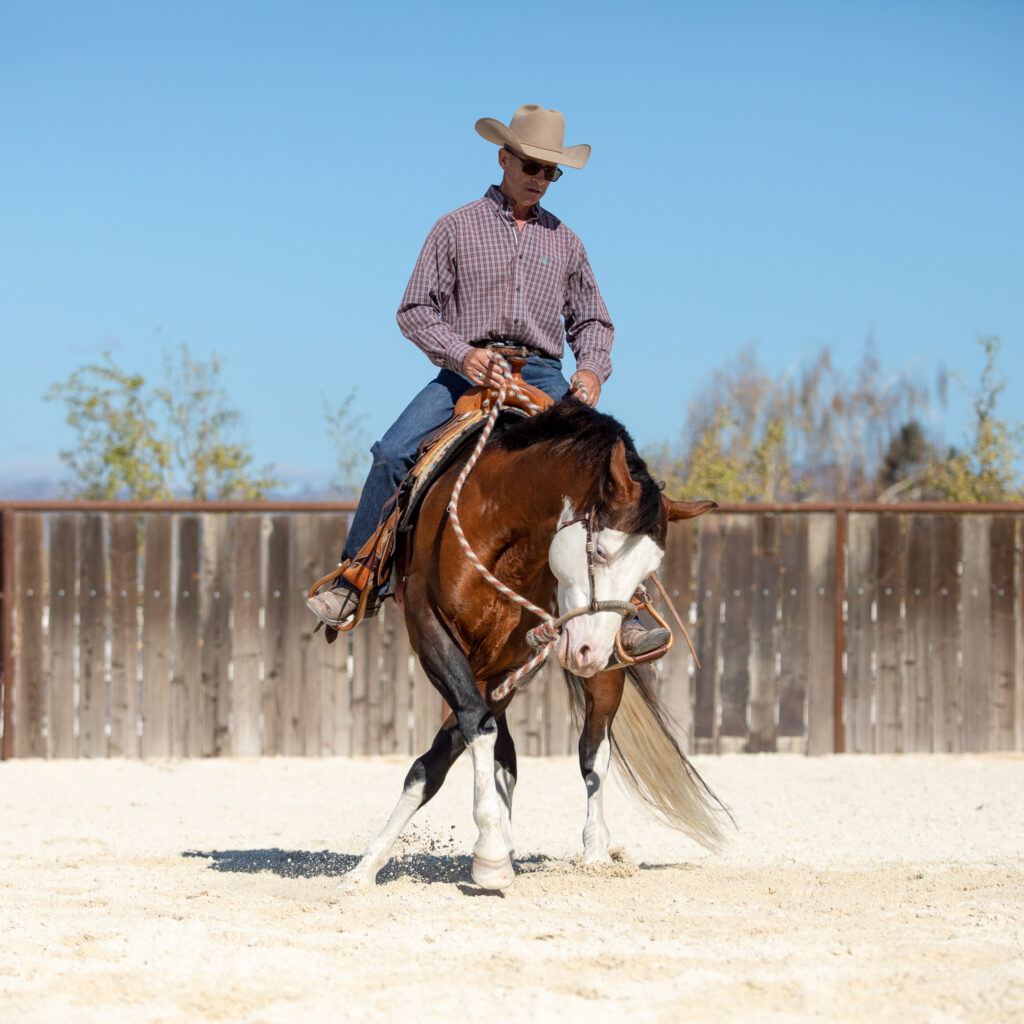
This lesson isn’t about teaching the spin — we’re teaching the beginning of the spin. The spin starts long before the horse ever turns fast.…
Leading your horse to the place where you’ll work is part of the work itself. Instead of holding tight, leaning away, or bracing defensively, carry…
Here are various examples of how to catch different types of horses when they are in a stall. Depending on how your horse is presenting…
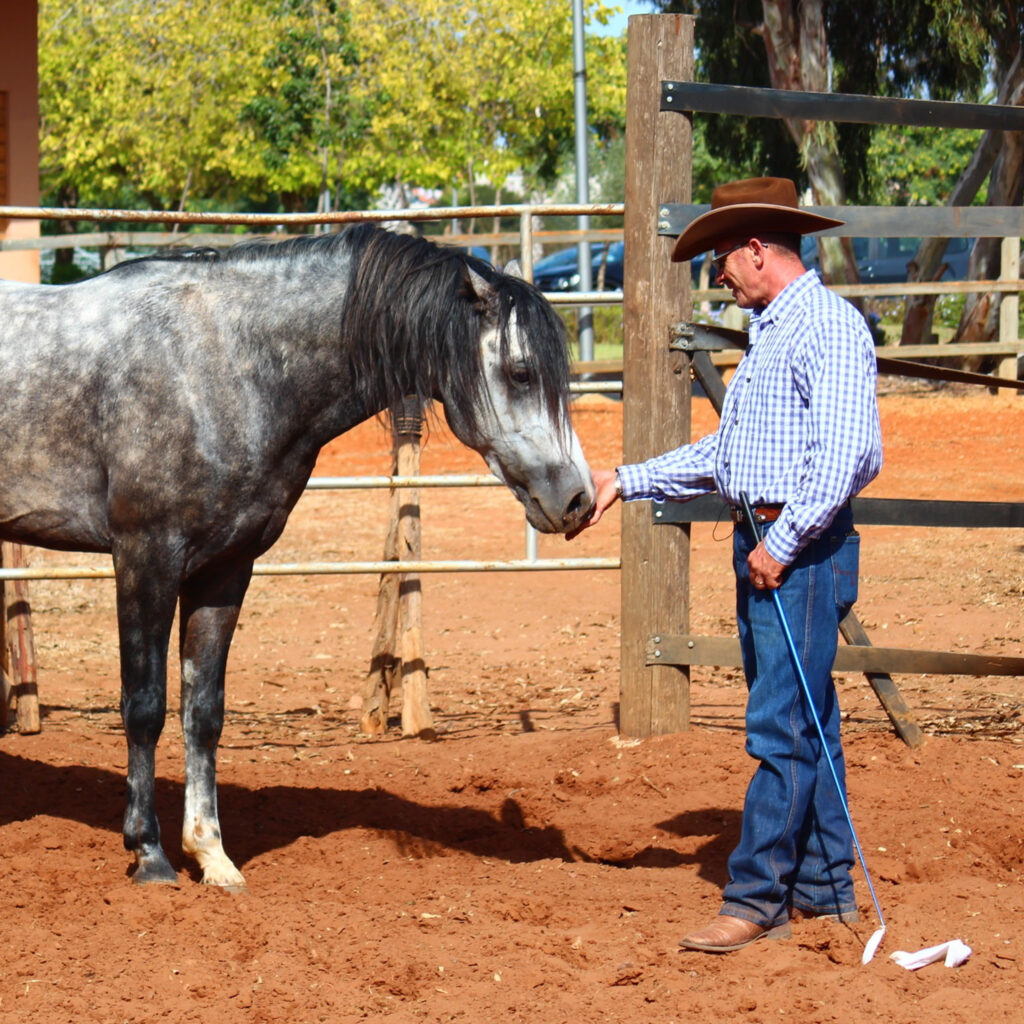
I have found that horses that put their mouths on us are doing so because they are seeking engagement, not because they are being naughty.…
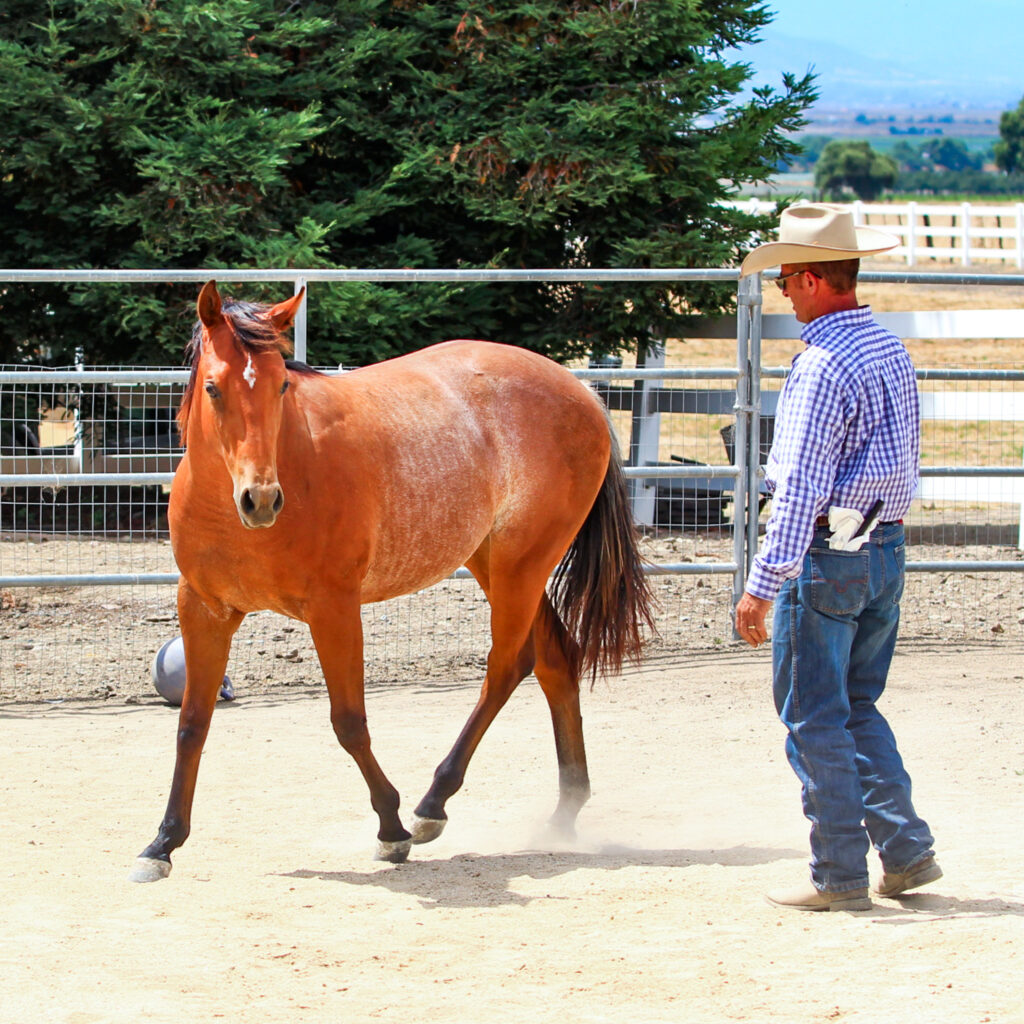
When a horse becomes responsive to subtle changes in your energy and posture, communication gets quieter, safer, and more connected. You no longer need force…
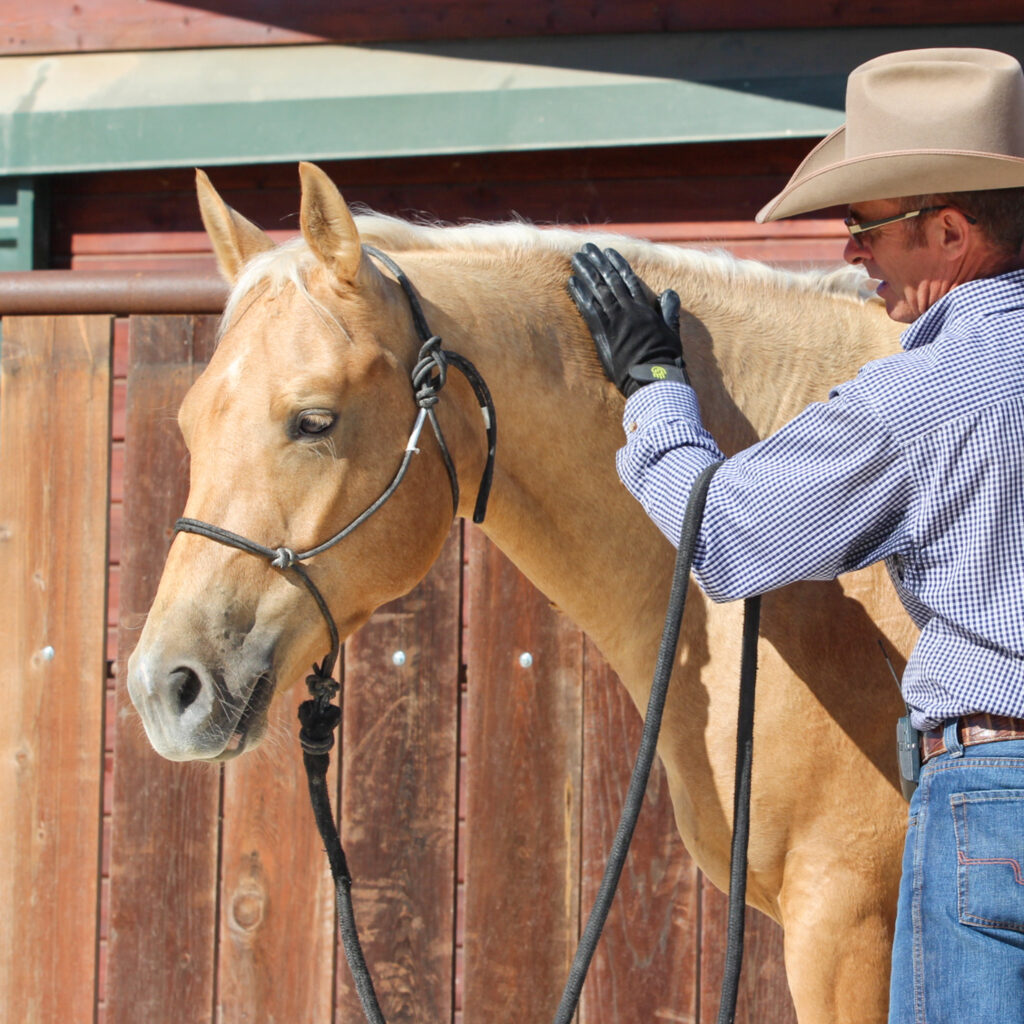
Brushing isn’t actually a foundational skill—it comes after a horse feels safe with you, can stand quietly, and is comfortable being touched. If grooming happens…
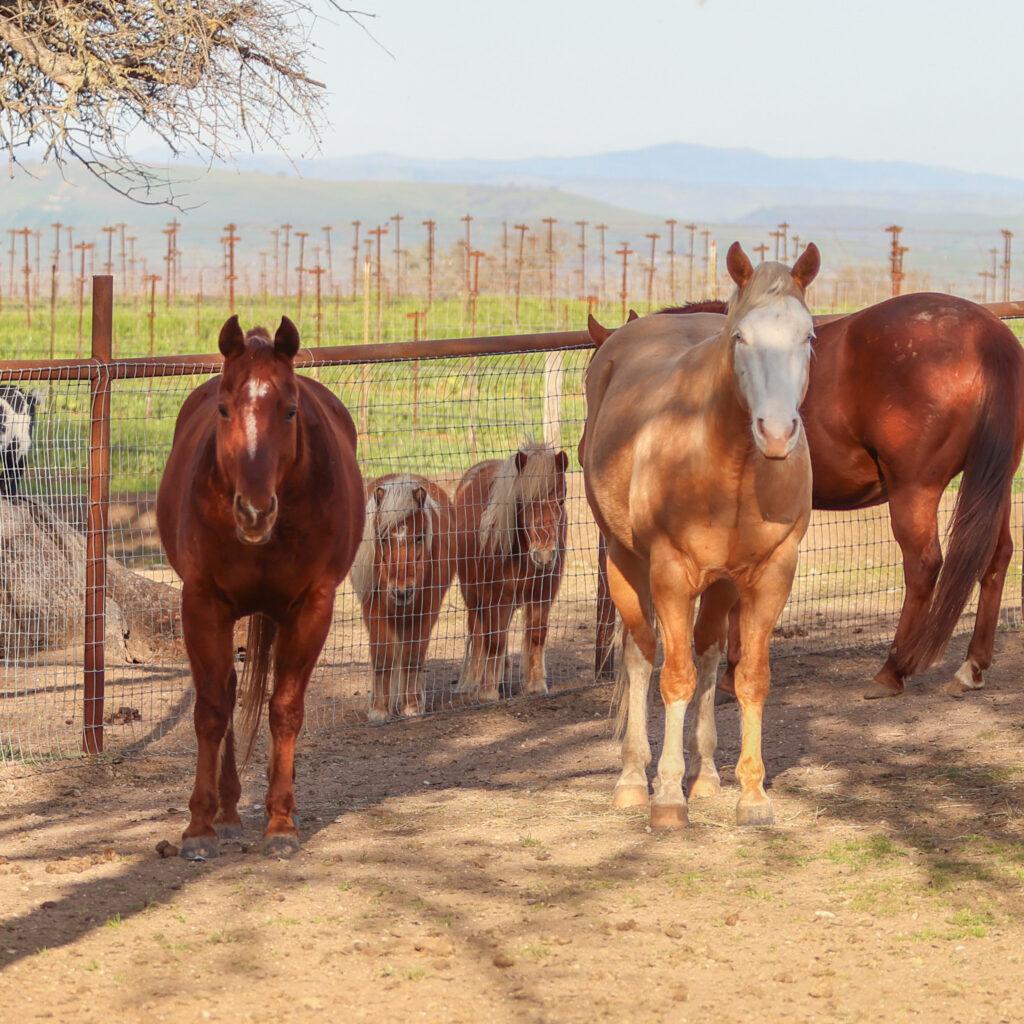
Horses depend on a collective awareness within their herd to ensure safety. They signal danger through changes in posture and energy. When one horse senses…
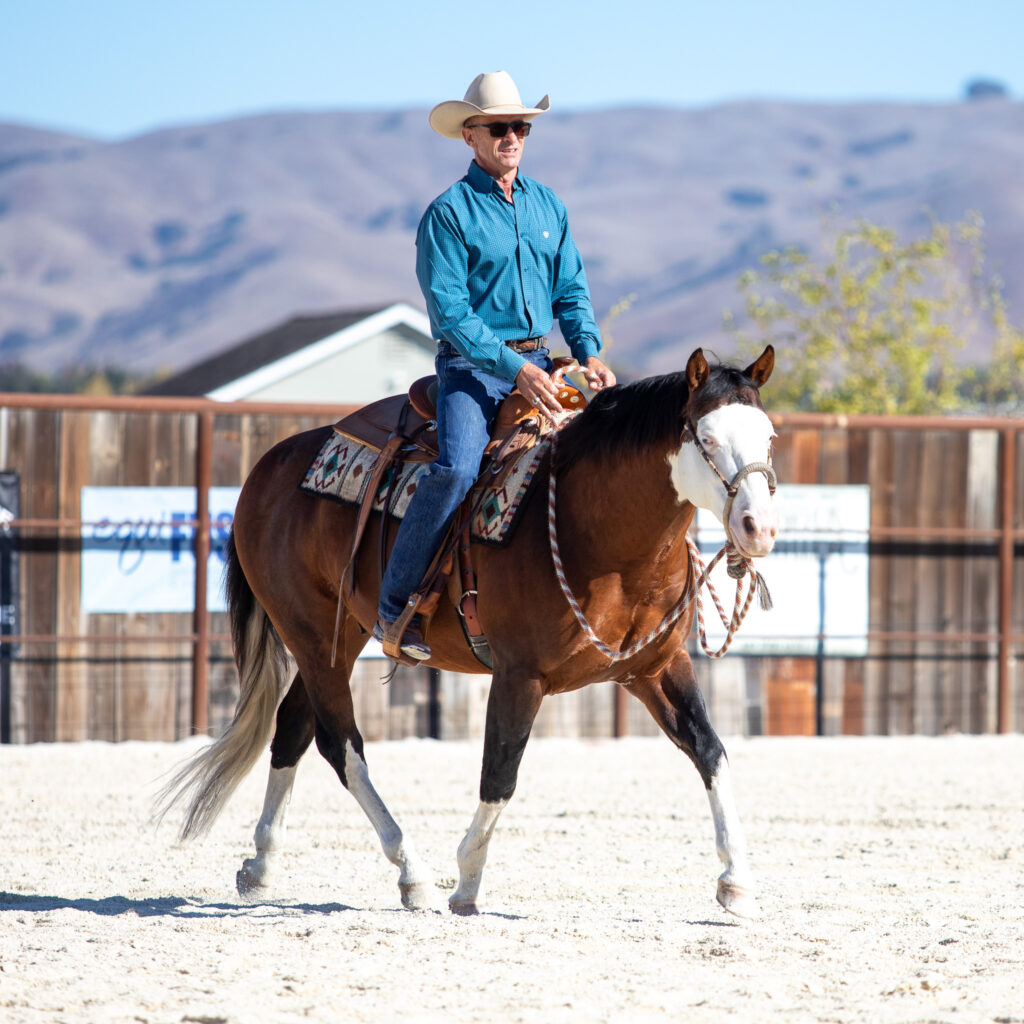
Before you focus on “creating connection,” you have to identify what kind of horse you actually have—because the right approach depends on whether your horse…
Purposely making your horse anxious may seem like a bad thing, but consider the case of Robyn and her CBT. When she was completely relaxed,…
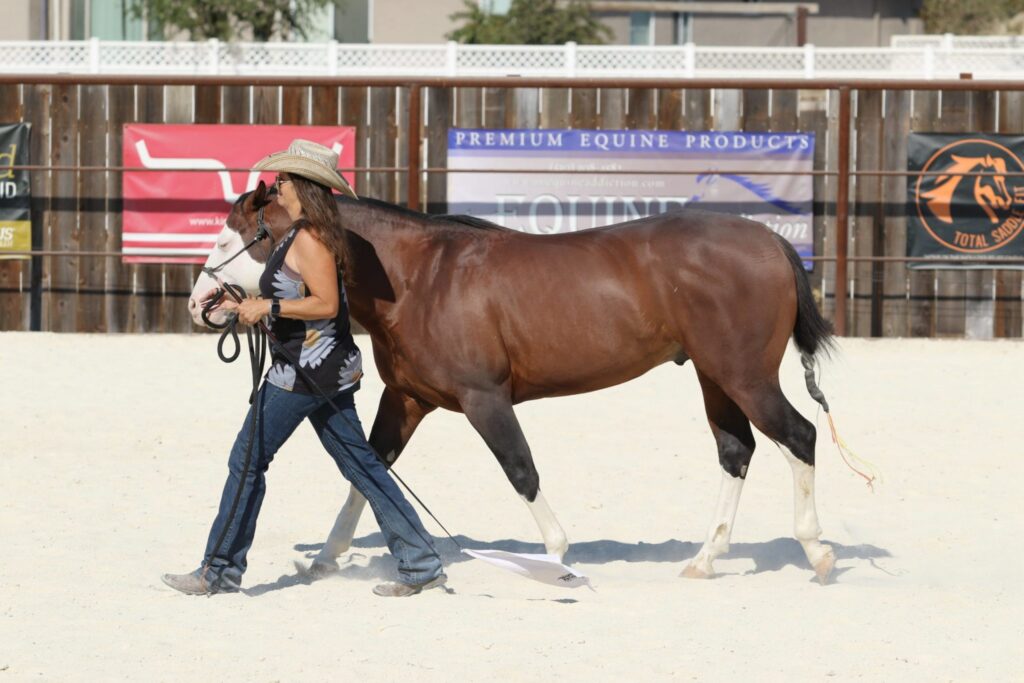
Warwick coaches Robyn while teaching Rey the Leading with Energy. **Disclaimer** Robyn wishes she had stayed the course with the way that Warwick engages with…
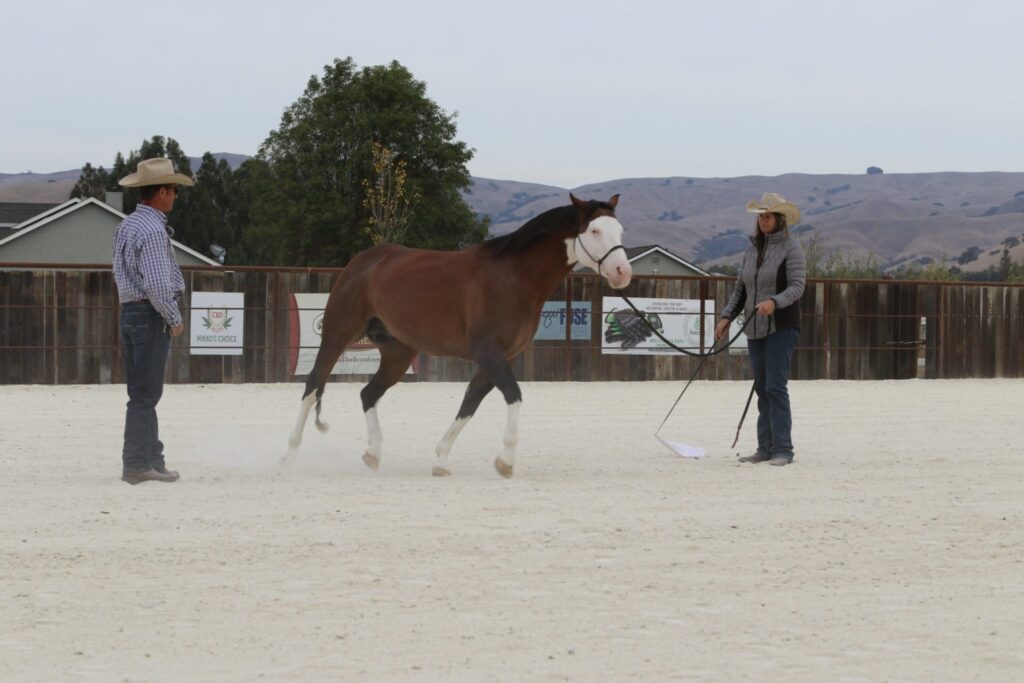
These videos are of Robyn & Rey when we first got him. Rey was very shut down, but sought engagement through biting. Robyn was uncomfortable…
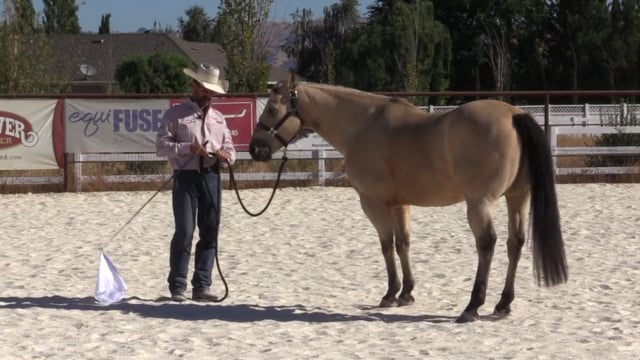
You may come upon some of the common horse problems while doing the Focus & Bend exercise. Obviously, the first one is that they don’t…

Before you start training, the most important thing to understand is this: almost every “behavior problem” is really a nervous system state problem. Our attunement…
 Loading...