

Neck Reining (When to add a Pre-Cue)
This lesson explains how to teach true neck reining as a pre-cue added onto steering your horse already understands. The core idea: don’t teach neck…
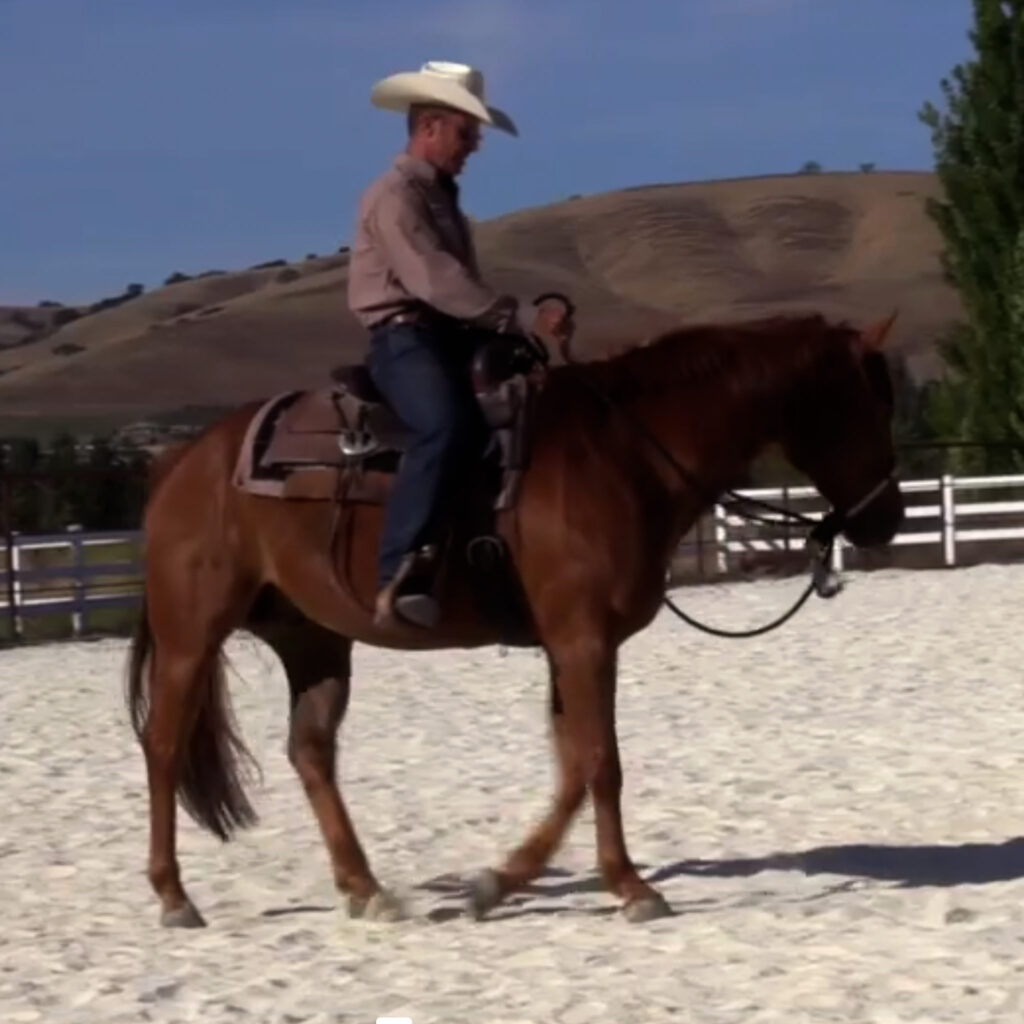
This lesson explains how to teach true neck reining as a pre-cue added onto steering your horse already understands. The core idea: don’t teach neck…
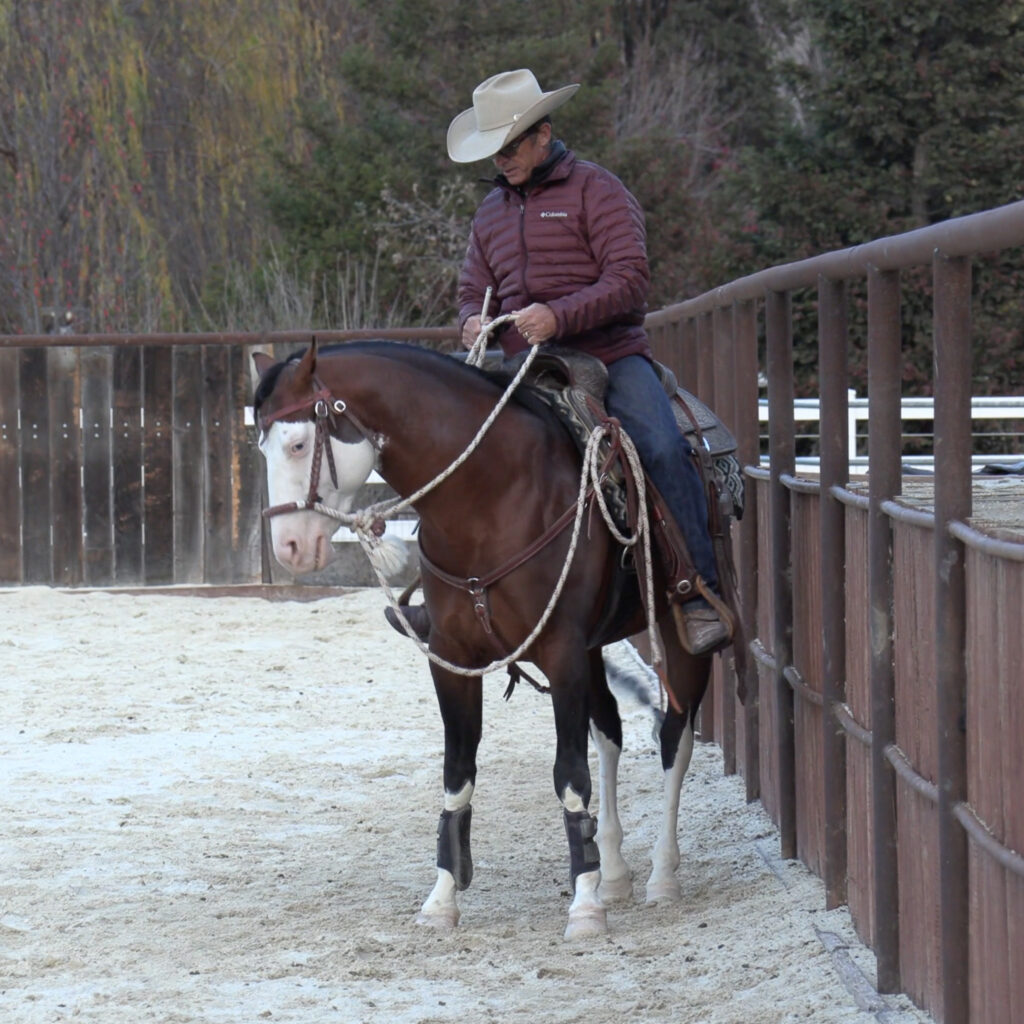
In this lesson, you’ll teach your horse the beginning of shoulder-in in a practical, horse-first way that improves how they carry themselves, lifts the shoulders,…
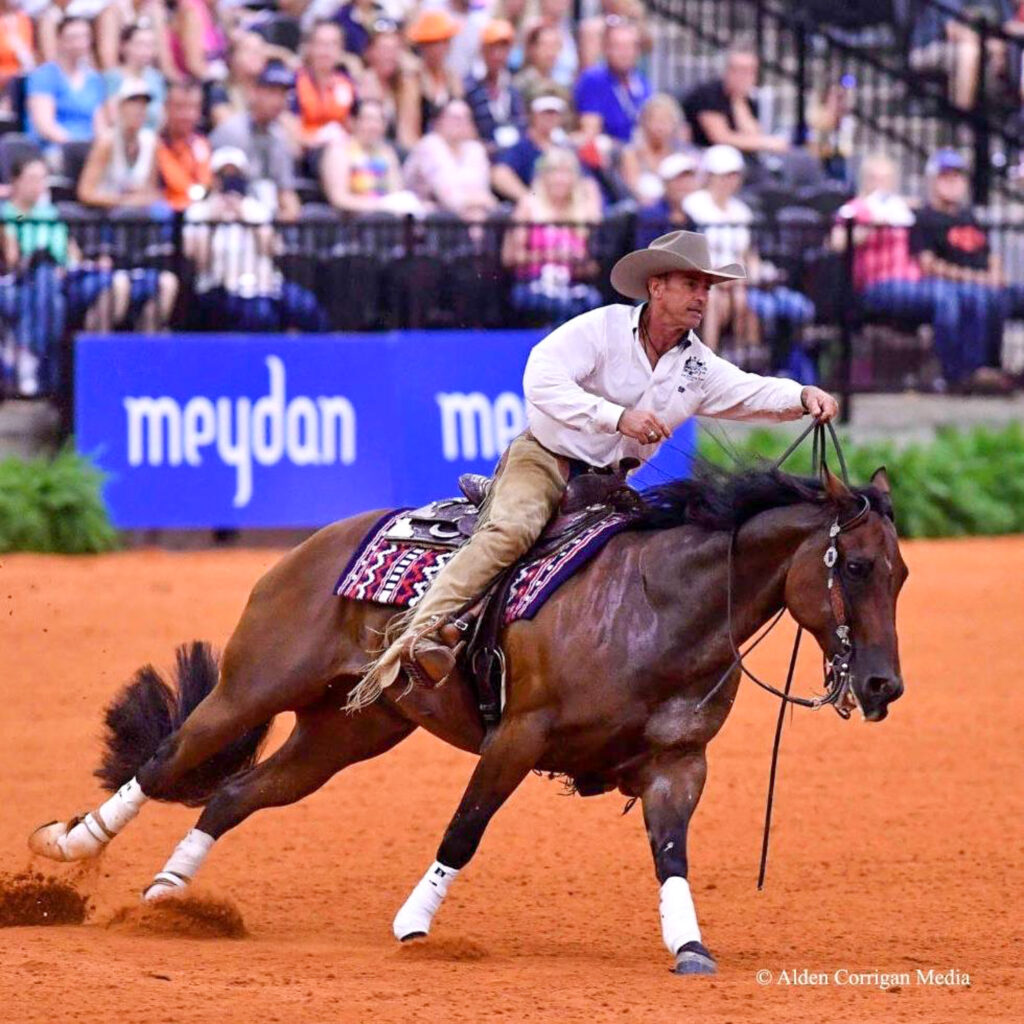
In this lesson, you’ll learn how to teach a simple, clean flying lead change by building it from the ground up—so it feels like a…
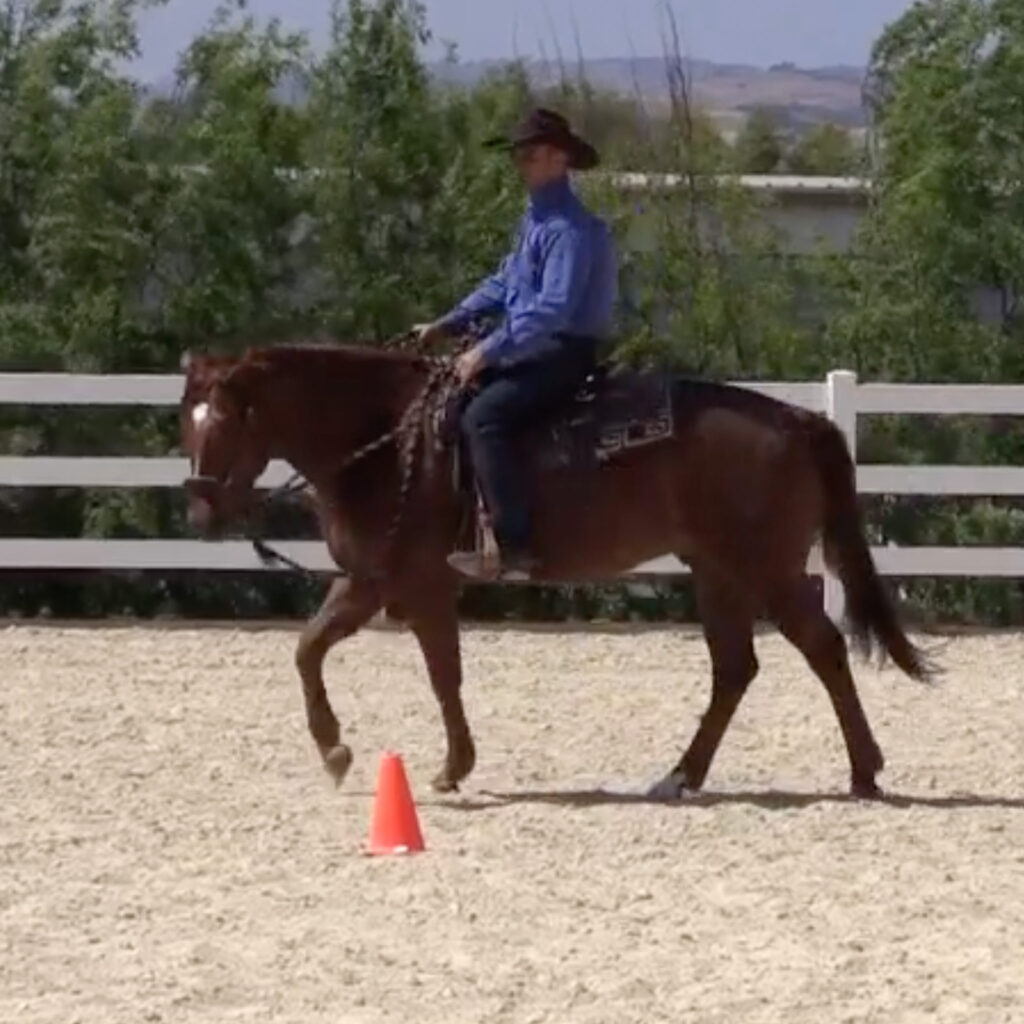
In this lesson, you’ll improve your horse’s balance, straightness, and body control using a simple-but-powerful pattern called The Four Circles. You’ll ride four circle/bend combinations…
In this lesson, you’ll introduce a simple, horse-friendly version of the counter canter to develop strength, balance, and body control as a stepping stone toward…
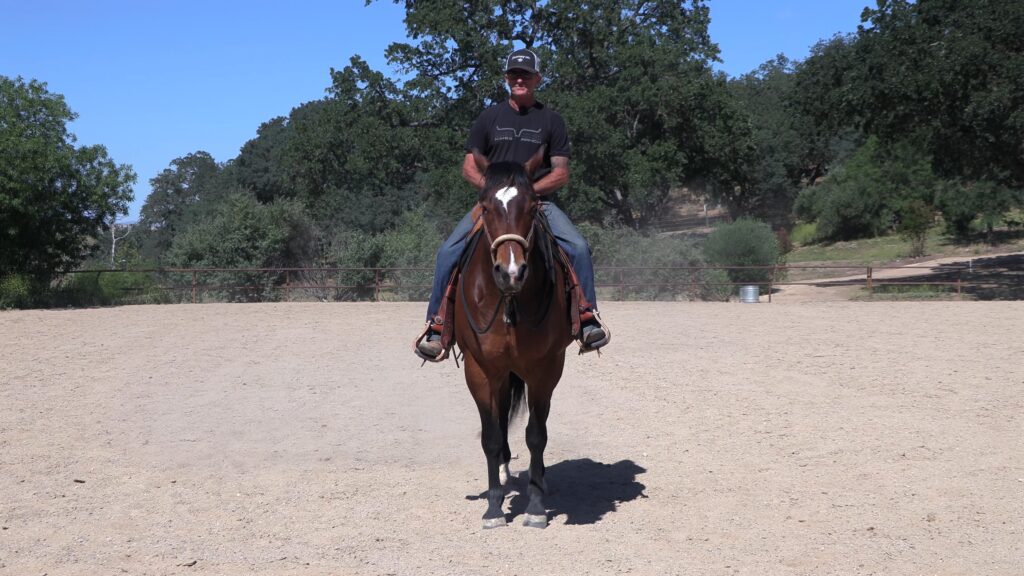
The counterbend will help with general balance, and will get you to be able to control the shoulders and the ribcage at the same time…
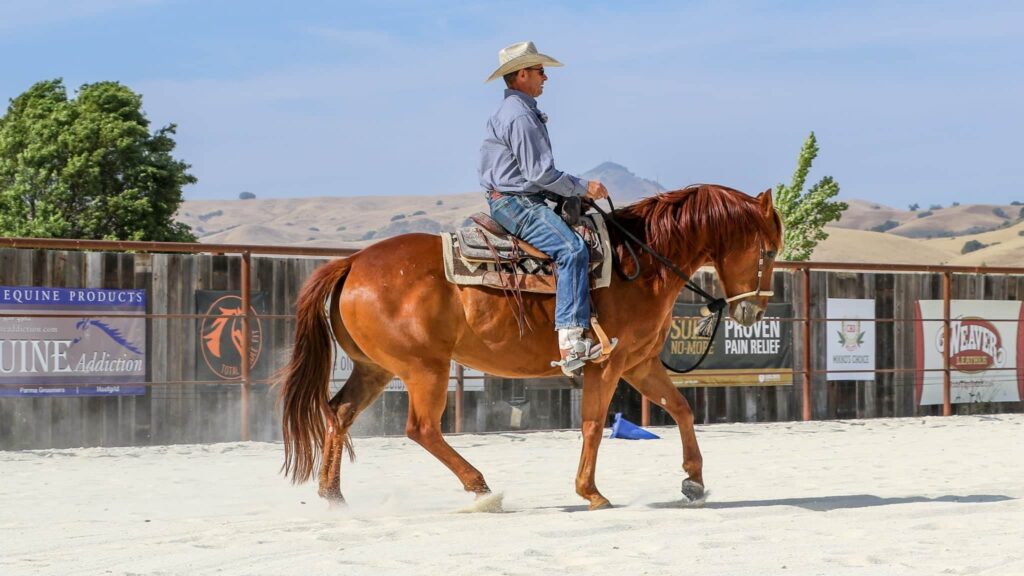
Collection is the ability to go forwards and backwards at the same time. It’s a balance between the two. Before you attempt this, you must…
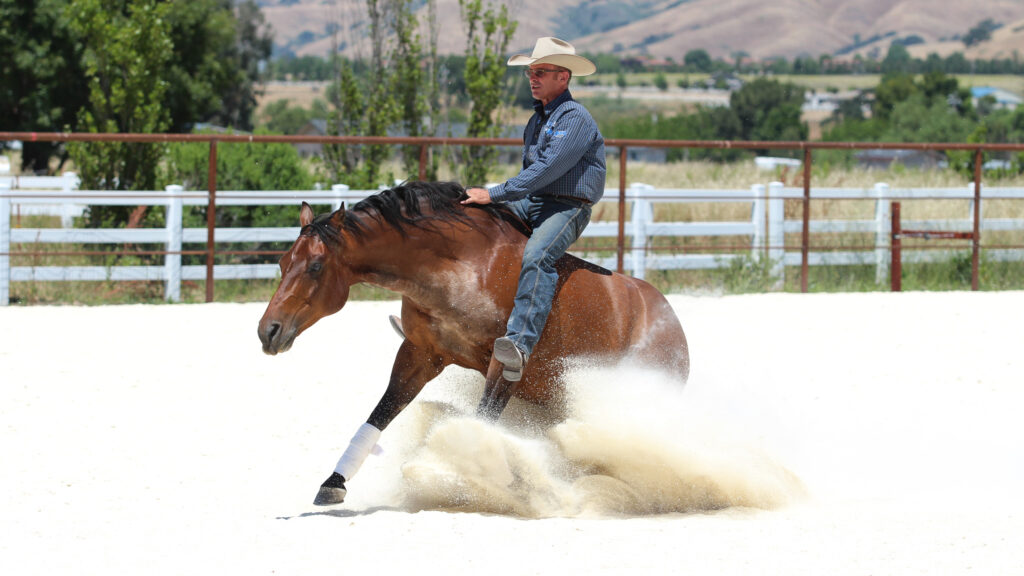
In this lesson, you’ll learn a step-by-step approach to teaching a young horse to stop in a way that builds softness, balance, and responsiveness from…
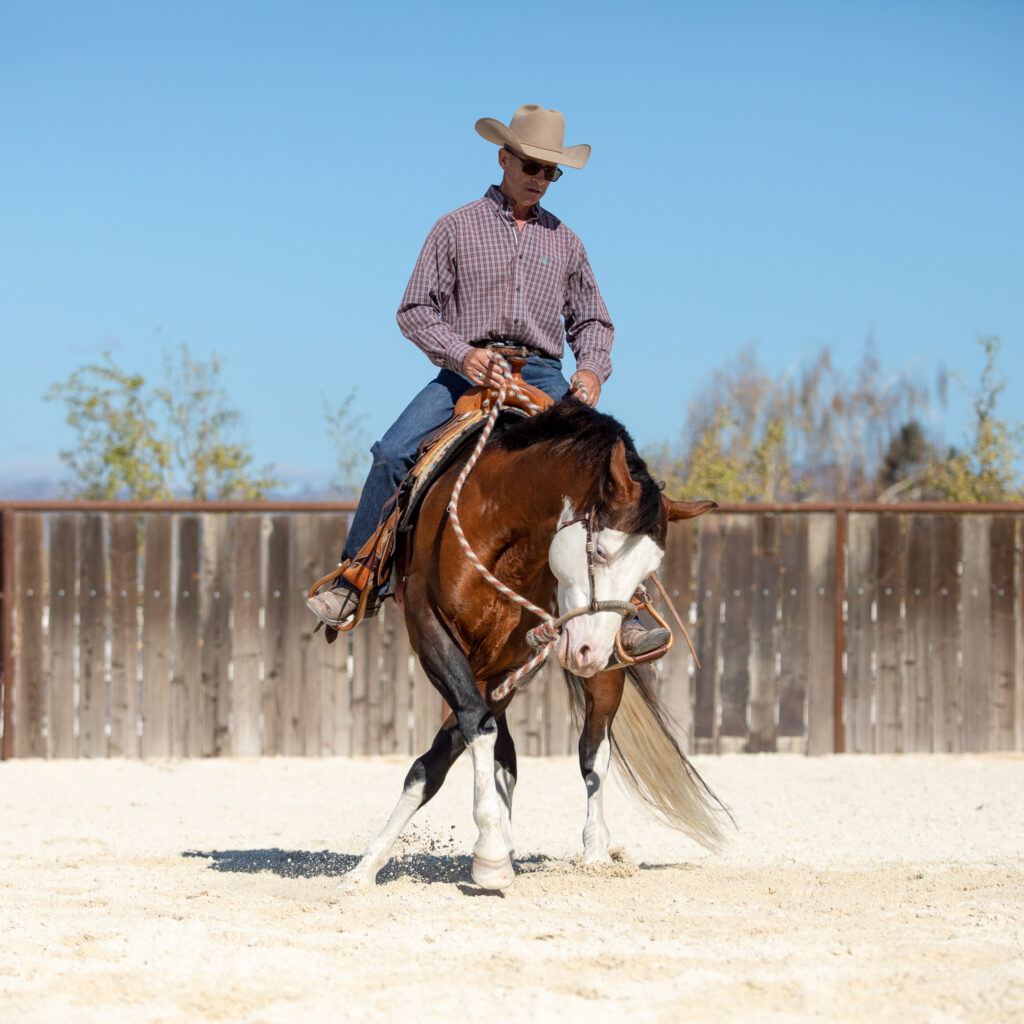
This lesson isn’t about teaching the spin — we’re teaching the beginning of the spin. The spin starts long before the horse ever turns fast.…
Leading your horse to the place where you’ll work is part of the work itself. Instead of holding tight, leaning away, or bracing defensively, carry…
Here are various examples of how to catch different types of horses when they are in a stall. Depending on how your horse is presenting…
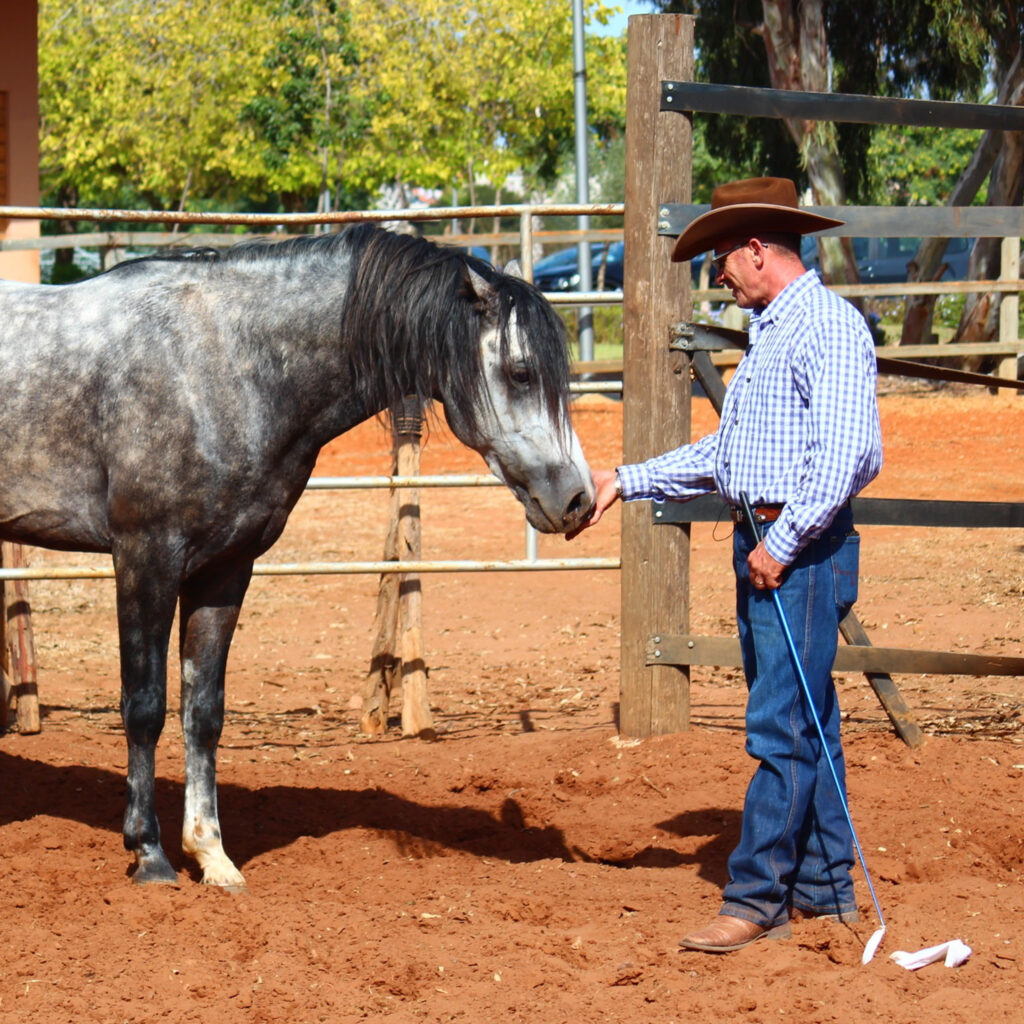
I have found that horses that put their mouths on us are doing so because they are seeking engagement, not because they are being naughty.…
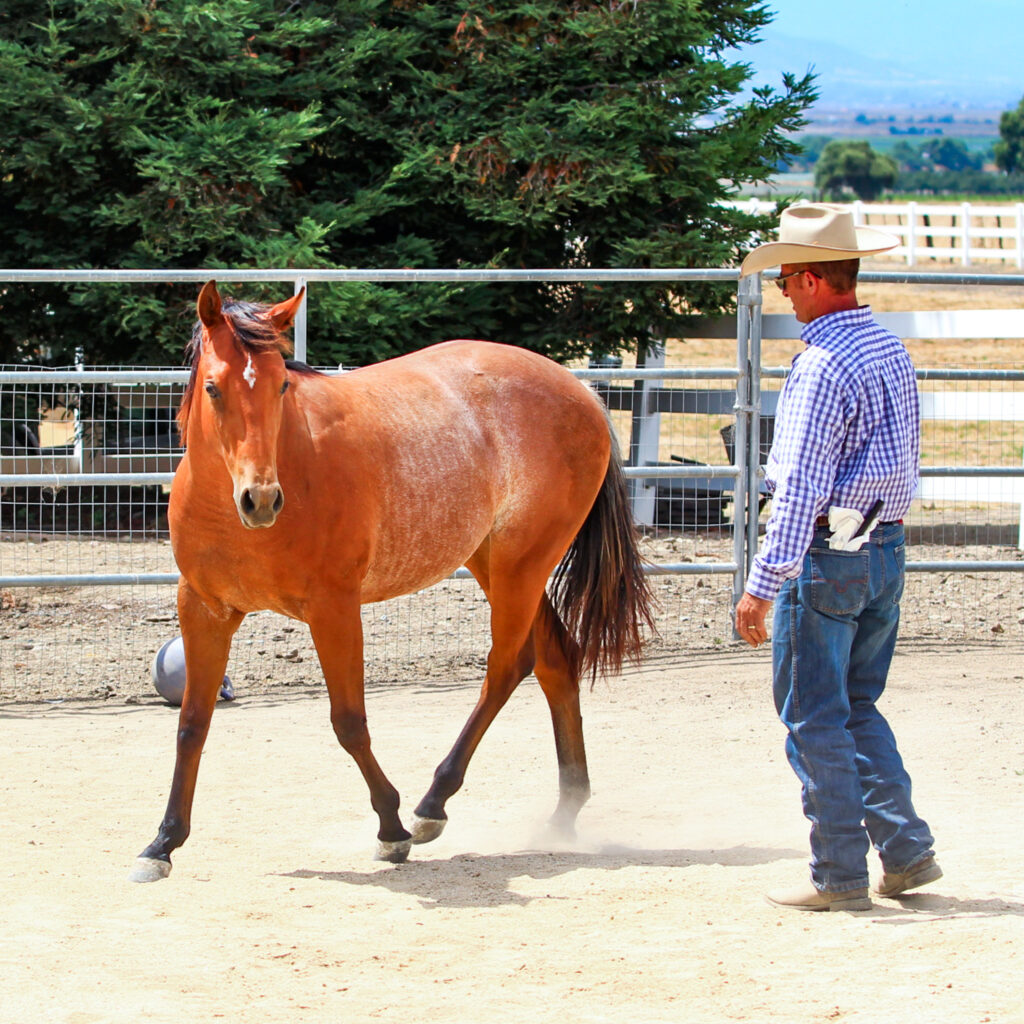
When a horse becomes responsive to subtle changes in your energy and posture, communication gets quieter, safer, and more connected. You no longer need force…
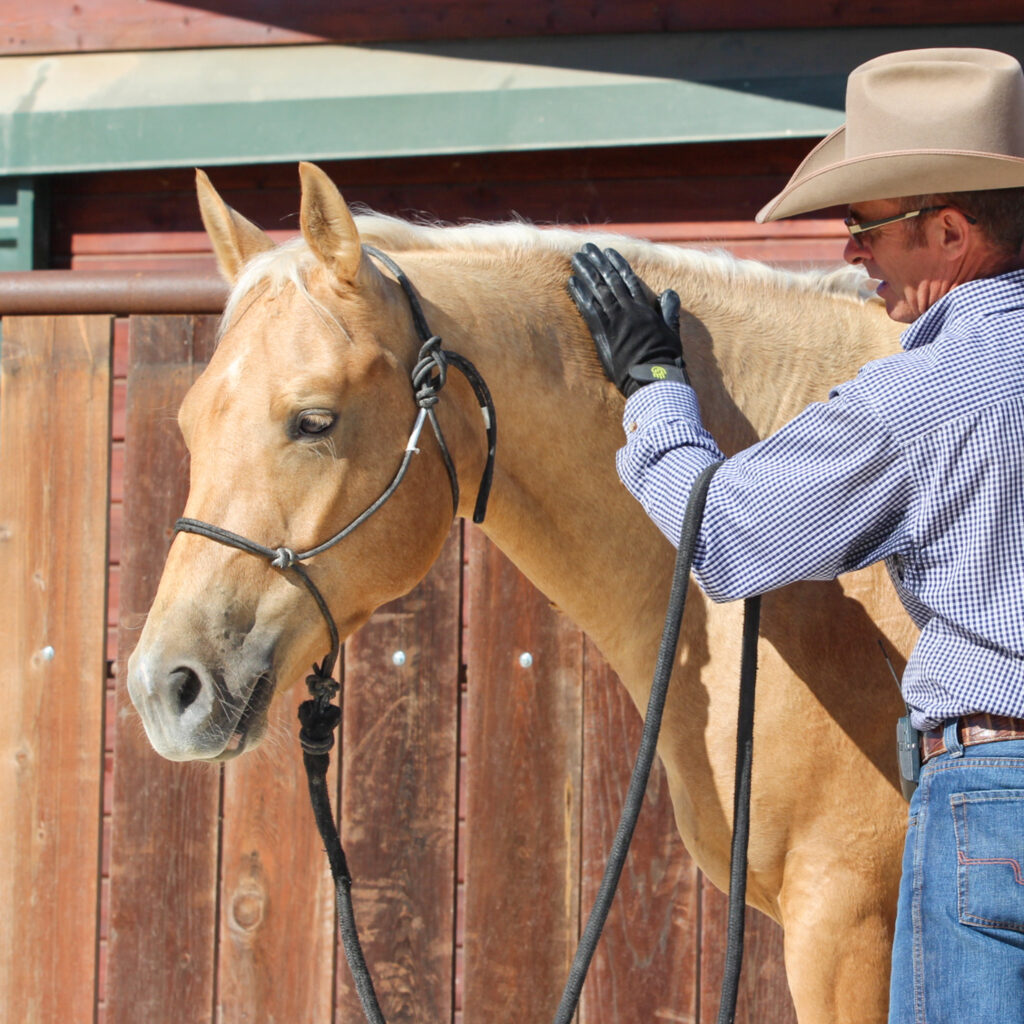
Brushing isn’t actually a foundational skill—it comes after a horse feels safe with you, can stand quietly, and is comfortable being touched. If grooming happens…
 Loading...